A photograph can capture a beautiful moment in a fraction of a second, but its meaning can last for years. Wedding photographs, in particular, often hold a special place in people’s lives because they preserve the atmosphere, clothing, expressions, and emotions associated with an important celebration.
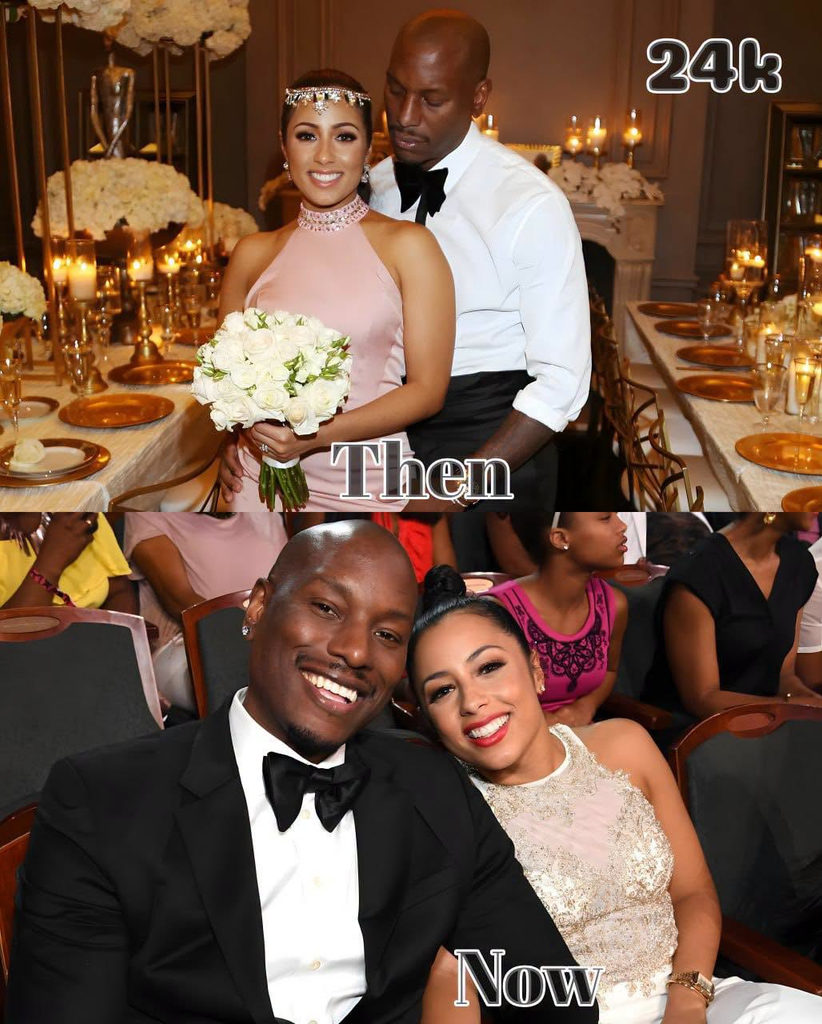
A two-part photo collage featuring a formally dressed couple offers an interesting example. In the upper image, a woman holds a bouquet of white roses beside a man wearing a white dinner jacket and black bow tie. Candlelight, white floral arrangements, and gold-toned table settings create an elegant atmosphere. In the lower image, the couple appears seated together at an event, smiling at the camera in different formal outfits.
The words “Them” and “Now” suggest a comparison between two moments. However, the photographs alone do not establish when either image was taken or whether the pictures represent a particular timeline. What they do offer is an opportunity to explore why people enjoy comparing photographs and revisiting meaningful occasions.
Why Wedding Photographs Remain So Special
Wedding photographs are more than pictures of clothing, flowers, and decorations. They can become personal records of an important day, preserving details that might otherwise fade from memory.
A photograph of a wedding reception may bring back the warmth of candlelight, the arrangement of the tables, the flowers chosen for the celebration, or the excitement of gathering with family and friends. Even small visual details can help someone remember the atmosphere of an occasion.
Research published in Applied Cognitive Psychology has examined how photographs influence the way people recall personal experiences. A 2024 study by Chloe I. King, Azra A. Panjwani, and Peggy L. St. Jacques found that memories associated with photographs showing the person themselves were more likely to be recalled from an observer-like perspective than memories associated with photographs in which the person was not visible.
This does not mean that every photograph preserves a complete or perfectly accurate memory. Instead, it illustrates how photographs can influence the way people revisit past experiences.
For couples and families, wedding pictures can become meaningful reminders of a celebration and the people who shared it.
What Makes a Then-and-Now Photo Comparison Interesting?
The appeal of a then-and-now collage comes from its simple visual structure. Two images are placed together, allowing viewers to notice similarities and differences without needing a lengthy explanation.
Several elements make this particular style of comparison engaging.
1. Different clothing and personal style
The upper photograph features a white dinner jacket, a black bow tie, and a blush-pink dress. In the lower photograph, the man wears a black tuxedo, while the woman wears a light-colored, embellished outfit.
These clothing choices create a visible contrast. White and pale pink give the upper image a soft, romantic appearance, while the black tuxedo in the lower image creates a stronger contrast with the lighter clothing.
Fashion can also provide context about an event, although clothing alone cannot establish when a photograph was taken.
2. Lighting and atmosphere
The upper photograph features warm candlelight, reflective gold-toned tableware, and large white floral arrangements. These details contribute to a formal, carefully styled setting.
The lower photograph has a different atmosphere. The visible seating and people in the background make it feel more like a candid moment captured during a gathering.
Neither style is inherently better. A carefully arranged photograph and a spontaneous smile can preserve different aspects of an occasion.
3. Expressions and body language
The couple in the upper photograph is positioned closely together, with the woman facing the camera and the man looking toward her. In the lower image, both appear to smile toward the camera.
These visible expressions help give each picture its own character. However, a single photograph cannot reveal everything about a relationship, including how people feel privately or what happened before or after the image was captured.
That distinction matters: photographs can invite interpretation, but they do not tell us every detail of the story.
How Photographs Help Preserve Personal History
Personal photographs are often used to document important experiences, including weddings, graduations, birthdays, family gatherings, and anniversaries.
Their value can extend beyond the original event. People may revisit old pictures to remember relatives, compare changing fashions, celebrate milestones, or share stories with younger family members.
Photography also makes it possible to see details that might otherwise be forgotten. A table arrangement, an accessory, a hairstyle, or the people in the background may become meaningful when viewed years later.
The Museum of Modern Art explains that photographs are shaped by choices such as composition, framing, cropping, and editing. These choices affect how viewers understand an image. A photograph is therefore a visual record, but it is also a particular perspective on a moment.
That is why context matters when interpreting a photo collage. The images can tell us what is visible, while dates, captions, original sources, and reliable reporting may be needed to establish the wider story.
Why These Photo Collages Work Well on Social Media
Then-and-now comparisons are easy to understand at a glance. Viewers can immediately compare the images and decide which details stand out.
The format also encourages natural conversation. One person may prefer the elegant floral arrangements in the first image, while another may enjoy the relaxed expressions in the second. Others might focus on the clothing, the lighting, or the differences between the two settings.
For social media creators, this offers an opportunity to encourage genuine engagement without relying on sensational claims.
A useful caption might ask, “Which photo captures the better atmosphere: the elegant celebration or the relaxed moment?” Such a question gives readers a clear topic to discuss.
Accuracy is especially important when a photograph features people whose identities or personal histories have not been established. Creators should avoid inventing relationship updates, marriage dates, family details, or dramatic life changes merely to make a post more exciting.
If the original photographer, publication, or event can be identified through reliable sources, additional context can make the accompanying article more informative.
How to Create a Meaningful Then-and-Now Photo Story
Anyone creating a photo comparison can make it more compelling by paying attention to a few practical details.
Use clear images. Good resolution helps viewers see clothing, expressions, decorations, and other important details.
Keep the layout consistent. Place the photographs in a balanced composition and use readable labels. If the dates are unknown, avoid presenting the images as a verified chronological timeline.
Explain what viewers can actually see. Describe visible differences in clothing, setting, lighting, and composition instead of assuming details about someone’s personal life.
Provide trustworthy context. If the post is about a particular public event or individual, verify names and dates using reliable reporting or original sources before publishing those claims.
Invite specific comments. Questions about favorite details, photography styles, or visual differences give readers an easy way to participate.
These small choices can transform a simple collage into a thoughtful post that encourages discussion while respecting the facts.
Frequently Asked Questions
1. What is a then-and-now photo comparison?
It is a presentation of two or more photographs intended to highlight similarities or differences between moments, appearances, places, or styles. Accurate dates are necessary if the images are presented as a verified chronological comparison.
2. Why are wedding photographs important?
Wedding photographs can preserve visual memories of a major celebration, including the people, clothing, decorations, and atmosphere. Their personal significance varies from one individual or family to another.
3. Can a photograph tell the complete story of a relationship?
No. A photograph captures a particular moment from a particular perspective. It cannot independently establish a couple’s private feelings, relationship history, or current circumstances.
4. How can I verify the story behind a viral photo?
Look for the original photographer or publisher, an original caption, a reliable publication date, and trustworthy reporting. Compare multiple credible sources and avoid treating repeated social media claims as proof.
5. What makes a photo comparison engaging on Facebook?
Clear images, a simple layout, an interesting but accurate caption, and a specific question can encourage people to compare details and share their opinions.
Conclusion: Every Photograph Has a Story, but Context Matters
The wedding-themed collage combines elegant formalwear, white flowers, warm lighting, and smiling expressions to create a visually interesting comparison. Its appeal lies in the contrast between the two scenes and the curiosity created by the words “Them” and “Now.”
Yet the most responsible interpretation begins with what the images actually show. Without reliable information about the people, dates, and circumstances, the photographs cannot establish a complete personal history.
That does not make them less interesting. It reminds us that photographs can preserve meaningful details, inspire memories, and invite conversation while still leaving questions unanswered.
Sometimes, the value of a picture is not that it tells us everything. It is that it gives us a reason to look more closely, appreciate the moment, and ask what else there is to learn.
Sources and Further Reading
- Museum of Modern Art — Photography as Witness: How framing and editing influence the interpretation of photographs.
- King, Panjwani, and St. Jacques — When having photographs of events influences the visual perspective of autobiographical memories, Applied Cognitive Psychology (2024): Research on photographs and personal memory.