Special occasions bring people together. Weddings, anniversaries, family gatherings, and celebrations create opportunities to share happiness and build lasting memories. Everyone deserves the opportunity to participate in these meaningful experiences, regardless of their physical abilities or mobility requirements.
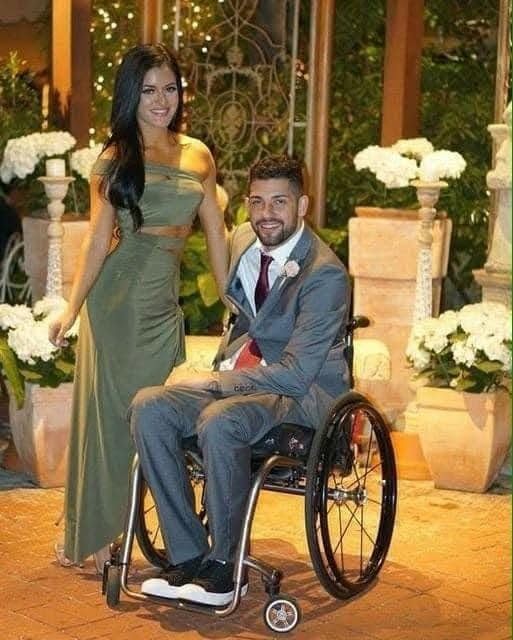
A photograph of a formally dressed couple posing together at an elegant event offers a beautiful starting point for discussing an important subject: accessibility and inclusion in celebrations.
The man in the photograph is seated in a manual wheelchair, while the woman stands beside him in an elegant green dress. Both are smiling, surrounded by flowers and decorative lighting. Although the photograph does not reveal their identities or personal relationship history, it highlights an important message about making social spaces welcoming to everyone.
An inclusive celebration is not simply about inviting people. It is about making sure they can comfortably participate, enjoy the environment, and feel equally valued.
1. Why Inclusion Matters During Special Occasions
Celebrations are often planned around the idea of bringing friends, relatives, and loved ones together.
However, not every event is equally accessible.
A beautiful venue may have stairs at its entrance, narrow pathways, uneven outdoor flooring, or restrooms that are difficult for wheelchair users to access.
These obstacles can affect whether someone can comfortably participate in an event.
Inclusion means considering different needs before the celebration begins.
When organizers plan with accessibility in mind, they create an environment where more guests can enjoy the occasion without unnecessary difficulties.
This is important for weddings in particular because they often involve several hours of socializing, photography, dining, and movement between different areas.
2. Making Wedding Venues Wheelchair Accessible
Choosing an accessible wedding venue is one of the most important decisions when organizing an inclusive celebration.
The venue should offer practical access to the areas guests are expected to use.
Some important features include:
Accessible entrances: Guests should be able to enter without encountering unnecessary steps or obstacles.
Suitable pathways: Walkways should be wide, stable, and easy to navigate.
Accessible restrooms: Facilities should provide sufficient space and appropriate accessibility features.
Comfortable seating: Seating arrangements should allow wheelchair users to sit comfortably alongside other guests.
Accessible dining areas: Tables should accommodate different seating requirements without separating guests from their friends and family.
Convenient parking: Accessible parking spaces should be available where appropriate.
These details may seem small during the planning process, but they can make a significant difference to the guest experience.
A venue should be evaluated in person whenever possible rather than relying entirely on photographs or general accessibility descriptions.
3. Wedding Decorations and Accessibility Can Work Together
Many couples spend considerable time selecting flowers, lighting, furniture, and decorative arrangements.
Accessibility does not mean sacrificing an elegant appearance.
In fact, thoughtful planning can make a venue both beautiful and practical.
For example, floral arrangements can be positioned where they do not obstruct pathways. Decorative furniture can be arranged to maintain sufficient movement space, and lighting can help guests navigate outdoor areas safely.
Wedding planners can also consider accessible routes when designing the ceremony layout.
The important principle is to create a beautiful environment without introducing unnecessary barriers.
An elegant celebration should be comfortable for everyone attending.
4. Including Wheelchair Users in Wedding Photography
Photography is an important part of many weddings and family celebrations.
Couples and guests often want pictures that capture meaningful moments with the people they care about.
Wheelchair users should be included naturally in these photographs rather than treated as separate participants.
Photographers can help by:
- Asking individuals how they prefer to be positioned.
- Considering camera angles that create balanced compositions.
- Including wheelchair users in group photographs.
- Avoiding unnecessary assumptions about preferred poses.
- Making sure the photography location is accessible.
The most important consideration is communication.
A photographer should ask about personal preferences instead of assuming that everyone wants the same style of photograph.
Respectful photography represents people naturally and allows their personalities to remain central.
5. Looking Beyond the Wheelchair
One important lesson about disability inclusion is that a mobility aid does not define an individual’s entire identity.
People who use wheelchairs have different personalities, careers, relationships, interests, and ambitions.
Some may require assistance with particular activities, while others manage many aspects of daily life independently.
There is no single experience that represents every wheelchair user.
This is why respectful representation matters.
A photograph of someone using a wheelchair should not automatically become a story about tragedy, struggle, or overcoming adversity.
Sometimes it is simply a photograph of someone enjoying an ordinary social occasion.
Recognizing this helps challenge stereotypes and encourages people to see individuals beyond their mobility equipment.
6. How Couples Can Plan More Inclusive Celebrations
Couples planning weddings can take several practical steps to make their celebrations more welcoming.
First, ask guests whether they have accessibility requirements when invitations are sent.
This gives organizers an opportunity to understand individual needs without making assumptions.
Second, contact the venue and ask specific questions about entrances, seating, restrooms, parking, and transportation.
Third, consider the complete event experience.
A ceremony might be accessible while the reception area, garden, dance floor, or dining space presents difficulties.
Planning should consider every location guests are expected to visit.
Finally, communicate accessibility information clearly.
Guests should know where accessible entrances are located, whether parking is available, and whom they can contact if they need assistance.
Good communication helps everyone feel more comfortable before arriving.
7. Why Respect and Attitude Matter as Much as Physical Access
Accessibility is not limited to ramps, elevators, and building design.
The way people interact with one another also contributes to inclusion.
For example, guests should speak directly to wheelchair users rather than automatically directing questions to someone accompanying them.
People should also avoid touching or moving someone’s wheelchair without permission.
If assistance appears necessary, the respectful approach is to ask first.
These simple actions demonstrate consideration and recognize personal independence.
A welcoming environment combines accessible facilities with respectful communication.
Both are necessary for creating celebrations where everyone feels included.
8. Creating More Inclusive Communities
The principles used when planning accessible weddings can also improve everyday public spaces.
Restaurants, hotels, entertainment venues, shopping centers, and community facilities should consider accessibility as part of their planning.
Businesses can benefit from providing clear information about accessible entrances, suitable seating, restrooms, and available facilities.
Event organizers can also make inclusion a standard part of their preparation rather than treating it as an afterthought.
When accessibility becomes a normal consideration, more people can participate in community activities and social experiences.
It also sends an important message: everyone deserves equal consideration and respect.
Frequently Asked Questions
1. How can a wedding be made wheelchair accessible?
Choose a venue with accessible entrances, suitable pathways, accessible restrooms, appropriate seating arrangements, and convenient parking. Check every area guests will need to use.
2. Can wheelchair users participate in wedding ceremonies and receptions?
Yes. With appropriate planning and accessible facilities, wheelchair users can participate in ceremonies, receptions, photography, dining, and other wedding activities.
3. What should wedding photographers consider when photographing wheelchair users?
Photographers should communicate with the individual, respect their positioning preferences, choose suitable locations, and include them naturally in group photographs.
4. Should guests offer assistance to someone using a wheelchair?
Guests can politely offer assistance, but they should ask first. Not everyone needs or wants help, and personal preferences should always be respected.
5. Why is disability representation important in wedding photographs?
Inclusive photographs help represent the diversity of everyday life. They show that people with disabilities are naturally part of relationships, families, friendships, and important social occasions.
Conclusion: Every Special Moment Should Include Everyone
The photograph of the formally dressed couple offers a meaningful opportunity to reflect on something important: celebrations are better when everyone can participate.
Whether planning a wedding, organizing a family gathering, or choosing a venue for a special event, accessibility deserves attention.
Small improvements such as accessible entrances, comfortable seating, suitable pathways, and respectful communication can make a significant difference.
More importantly, people should be recognized for who they are rather than defined by a mobility aid or physical limitation.
A truly welcoming celebration is not measured only by its decorations, flowers, or beautiful setting. It is also measured by how comfortably and respectfully everyone is included.
Because special moments should be opportunities for everyone to share happiness, connection, and lasting memories.