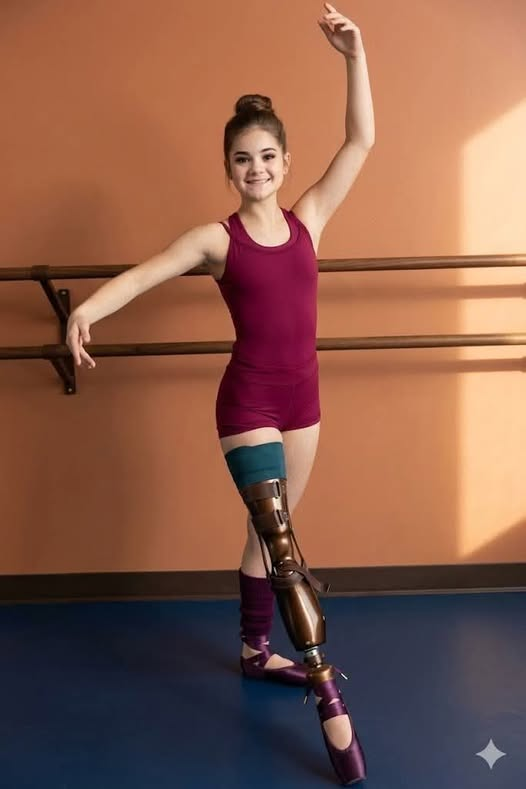
Ballet is known for its expressive movements, carefully developed technique, and years of dedicated practice. But the art of dance is not limited to one type of body or one way of moving. As more dance communities explore accessibility, adaptive ballet is helping broaden conversations about participation, artistic expression, and opportunities for dancers with different physical needs.
A photograph of a ballet dancer wearing a visible prosthetic device illustrates an important question: How can traditional dance techniques be adapted to accommodate different needs while preserving the creativity and discipline of ballet?
The answer depends on the individual dancer, the equipment involved, the movements being practiced, and the support available from instructors and other professionals. There is no single approach that works for everyone. However, thoughtful adaptations can help make dance more accessible without losing sight of its artistic purpose.
What Is Adaptive Ballet?
Adaptive ballet is an approach to ballet instruction and participation that adjusts movements, teaching methods, equipment, or the learning environment to accommodate individual needs.
Traditional ballet training often emphasizes posture, balance, coordination, flexibility, strength, and precise movement. Adaptive instruction considers how these skills can be explored by dancers with different physical abilities.
For one dancer, an adaptation might involve using a ballet barre for additional support. Another dancer might benefit from modified choreography, additional time to practice a movement, or a different way of positioning the body.
Dancers who use prosthetic limbs may need individualized adjustments based on their particular device, comfort, mobility, and dance goals.
The important distinction is that adaptive ballet does not follow one universal formula. The appropriate approach depends on the dancer rather than on assumptions about what someone can or cannot do.
Understanding Prosthetic Devices in Dance
A prosthetic limb is an artificial device designed to replace part or all of a missing limb. Prostheses are developed for different purposes, and their features vary according to the person’s needs and activities.
Using a prosthetic device during dance can involve considerations that differ from everyday walking or other activities.
For example, ballet places particular demands on balance, foot positioning, coordination, and controlled movement. Pointe work introduces additional demands because it involves supporting the body through a specialized shoe and carefully trained technique.
A prosthetic device is not automatically designed for every type of dance movement. Its suitability depends on its construction, fit, function, and the individual user’s circumstances.
Dancers should not assume that an everyday prosthesis is suitable for pointe work or that a device can safely tolerate every ballet position.
Where relevant, the dancer can work with qualified healthcare or prosthetic professionals to understand the device’s intended use. A knowledgeable dance instructor can then help explore appropriate movements and modifications within those limitations.
The photograph alone does not establish the type of prosthesis shown or the techniques the dancer has been trained to perform.
How Ballet Classes Can Become More Accessible
Accessibility in ballet involves more than specialized equipment. Teaching methods, studio layouts, communication, and the attitudes of instructors can all influence whether dancers feel welcome and supported.
1. Individualized Instruction
Dancers learn in different ways and at different speeds. An instructor can explain a movement in several ways, demonstrate alternatives, or divide a complex sequence into smaller steps.
Individualized instruction can also help dancers identify which movements are comfortable and which require modification.
The goal is to support meaningful participation without assuming that everyone should perform every movement in exactly the same way.
2. Thoughtful Use of the Ballet Barre
A ballet barre is a fixed or portable rail that dancers commonly use for support while practicing foundational movements.
Depending on the dancer’s needs, the barre may provide an additional point of contact while working on posture, coordination, or controlled movement.
Some dancers may use it for longer periods, while others may require different forms of support.
An instructor should consider the dancer’s balance, mobility, and comfort when deciding how the barre can be incorporated into a class.
3. Adapted Choreography
Choreography can be adjusted in ways that preserve its artistic intention while accommodating individual movement needs.
For example, a sequence might be modified to change its timing, direction, range of motion, or transitions between positions.
These changes do not necessarily diminish the artistic value of a performance. Dance communicates through many elements, including rhythm, expression, musicality, and the relationships between movements.
An effective adaptation considers both the practical needs of the dancer and the creative goals of the choreography.
4. An Accessible Studio Environment
A welcoming studio should consider the practical experience of everyone attending.
Clear pathways, suitable floor space, accessible entrances, and thoughtful placement of equipment can make participation easier.
Instructors can also establish a classroom culture in which dancers feel comfortable communicating their needs and asking questions.
Accessibility is most effective when it is considered during planning rather than treated as an afterthought.
Why Inclusive Dance Matters
Dance provides opportunities for artistic expression, learning, social interaction, and creative exploration.
For some people, a dance class may offer a structured way to develop coordination and musical awareness. For others, it may provide an opportunity to perform, collaborate, or explore movement as an art form.
The benefits and experiences vary from person to person. Participation should not be presented as a guaranteed medical treatment or as a substitute for professional healthcare.
Inclusive dance also challenges narrow assumptions about who belongs on a stage or in a studio.
When dancers with different physical abilities are included in classes and performances, audiences can encounter a wider range of movement styles and artistic perspectives.
This does not mean that every dancer needs to follow the same path or reach the same technical goals. It means that opportunities can be designed with greater flexibility and respect for individual differences.
The Importance of Dancer-Led Choices
One of the most important principles in adaptive dance is listening to the dancer.
An instructor may have extensive technical knowledge, but the dancer is best positioned to communicate personal preferences, comfort, and experiences with their equipment.
For dancers who use prosthetic devices, the input of relevant prosthetic or healthcare professionals may also be important when considering activities that place unusual demands on a device or the body.
A collaborative approach can help clarify which movements are appropriate to explore, which modifications may be useful, and when further professional advice is needed.
It is equally important to avoid making assumptions based on a person’s appearance. A visible prosthesis does not tell an observer everything about the person’s abilities, goals, training, or experience.
Respectful instruction focuses on the individual rather than imposing expectations based on a disability.
How to Find an Inclusive Ballet Program
Anyone interested in adaptive ballet can begin by researching local dance schools, community arts organizations, and programs that offer accessible movement classes.
Before enrolling, it may help to ask several practical questions:
- Does the instructor have experience adapting dance instruction?
- Can the class accommodate the participant’s particular needs?
- Is the studio physically accessible?
- Are modifications available for particular movements?
- Can the instructor discuss equipment considerations with the participant and relevant professionals when necessary?
A trial class or introductory conversation may help determine whether a program is a good fit.
Not every studio will have the same resources, and a program that works well for one dancer may not be suitable for another. Finding the right environment is therefore an individual process.
Frequently Asked Questions
1. Can people who use prosthetic limbs participate in ballet?
Some people who use prosthetic limbs participate in ballet or other dance styles. Appropriate activities depend on the individual, their equipment, training, and the movements involved.
2. Can someone with a prosthetic leg dance on pointe?
Pointe work requires specialized training and places particular demands on the feet, ankles, and supporting structures. Whether it is appropriate with a particular prosthetic device requires individualized assessment and guidance from qualified professionals.
3. What makes a ballet class inclusive?
An inclusive class considers different physical needs, offers appropriate modifications, provides accessible facilities where possible, and treats dancers with respect.
4. Does adaptive ballet look different from traditional ballet?
It can. Some adaptations change movements, timing, equipment, or choreography. Other classes may look very similar to traditional ballet while offering individualized instruction and support.
5. How can beginners find adaptive dance classes?
Beginners can contact local dance schools, community arts organizations, and accessible movement programs. Asking about instructor experience, facilities, and individual accommodations can help identify suitable options.
Conclusion
Inclusive ballet expands the conversation about who can participate in dance and how movement can be taught, adapted, and performed.
For dancers who use prosthetic devices or have other physical needs, the right approach may involve individualized instruction, carefully considered equipment, modified choreography, and collaboration with relevant professionals.
The photograph offers a starting point for thinking about these possibilities, but it does not tell us the dancer’s personal story or the details of her training. What it does highlight is an important principle: dance can make room for different ways of moving and expressing oneself.
By focusing on accessibility, individual goals, and artistic opportunity, dance communities can create more welcoming environments in which a wider range of people can explore ballet.