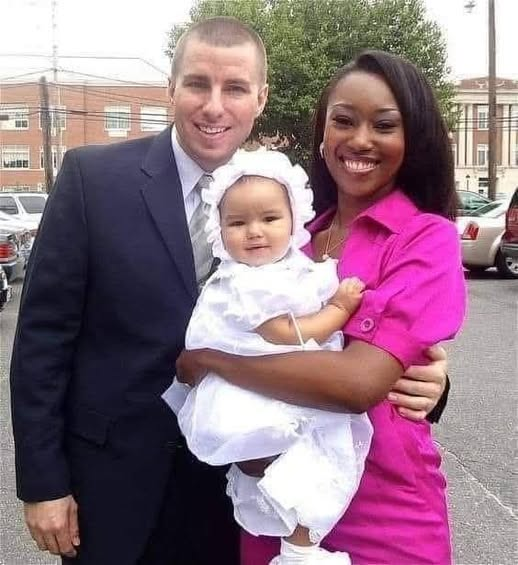
A family photograph can tell a beautiful story without saying a single word. In this picture, a smiling man in a dark suit and a woman wearing a bright pink outfit stand together while holding a baby dressed in white. Their smiles and the way they stand close together create a warm family portrait.
Although we do not know the identities of the people or the occasion behind the photograph, it offers an opportunity to discuss something increasingly visible in modern society: multicultural families.
Families can bring together people with different racial, cultural, and ethnic backgrounds. Their experiences can introduce children to different traditions, perspectives, languages, and ways of understanding the world.
But what does it mean to grow up with more than one cultural background? How can parents help children appreciate their heritage? And why are acceptance and understanding so important?
1. Multicultural Families Are Part of Modern Society
Families have always taken different forms. Today, interracial relationships, international marriages, adoption, and migration contribute to the diversity of communities around the world.
In the United States, the 2020 Census recorded approximately 33.8 million people identifying with two or more races. That represented 10.2% of the population, compared with 2.9% in 2010.
The Census Bureau also explains that changes in the way race and ethnicity were measured contributed to this increase, so the figures should be interpreted carefully.
These numbers demonstrate why understanding multiracial identity and family experiences is an important part of modern conversations about diversity.
Multicultural families are not defined by one particular appearance or lifestyle. Each family has its own traditions, experiences, values, and relationships.
2. Growing Up With Different Cultural Backgrounds
Children growing up in multicultural families may have opportunities to learn about different traditions from an early age.
For example, one side of a family may celebrate certain holidays, prepare traditional meals, speak another language, or follow customs that differ from those of the other side.
Children can experience these differences through ordinary family activities.
They might learn recipes from grandparents, hear stories about their parents’ childhoods, celebrate different holidays, or discover music and traditions from different parts of the world.
These experiences can help children develop curiosity about the world around them.
However, having multiple cultural backgrounds does not mean every child will experience identity in exactly the same way. Children develop their own personalities and relationships with their heritage as they grow.
3. Helping Children Understand Their Identity
One important responsibility for parents is creating an environment where children feel comfortable exploring their backgrounds.
Children may eventually ask questions about their appearance, skin color, hair texture, family history, or cultural traditions.
These questions are a natural part of learning about themselves and the people around them.
Parents can respond by having honest, age-appropriate conversations.
Rather than suggesting that one background is more important than another, families can explain that different cultures contribute to their shared family story.
It is also important to allow children to develop their own understanding of their identity.
Some children may feel strongly connected to both sides of their heritage. Others may connect more closely with particular traditions at different stages of life.
There is no single correct way to experience a multicultural identity.
4. Why Cultural Traditions Matter
Family traditions can help children develop a connection with their history.
These traditions do not have to involve expensive celebrations or complicated activities.
Simple experiences can become meaningful memories.
Here are some ways families can celebrate different cultural backgrounds:
- Prepare traditional food: Cook recipes passed down through different generations.
- Celebrate holidays: Introduce children to meaningful celebrations from both sides of the family.
- Share family stories: Let grandparents and relatives talk about their childhoods and experiences.
- Explore music and art: Introduce children to different musical styles, books, and artistic traditions.
- Learn languages: Encourage children to explore languages spoken by family members.
- Visit cultural events: Attend community celebrations, museums, and festivals.
These activities can help children understand that their family history is something worth appreciating.
5. Facing Stereotypes and Uncomfortable Questions
Although multicultural families can enjoy many positive experiences, they may also encounter misunderstandings.
Some children may receive questions about their appearance or family background. Others may experience stereotypes, teasing, or pressure to identify with only one cultural group.
Such experiences can be confusing, particularly when children are still developing their understanding of themselves.
Parents can help by creating an open environment where children feel comfortable discussing difficult situations.
It is important to listen without dismissing their feelings.
Children should understand that their background is not something they need to defend or feel embarrassed about.
The American Academy of Child and Adolescent Psychiatry discusses these issues in its guidance on multiracial children. It recommends open family communication, exposure to different cultural traditions, positive representation, and supportive relationships.
These approaches can help children feel more confident about their heritage.
6. Building Confidence Through Representation
Representation can influence how children understand themselves and the world around them.
Books, television programs, films, and educational materials that include people from different backgrounds can help children see a wider range of family experiences.
When children encounter positive examples of people with backgrounds similar to their own, they may feel more comfortable recognizing their place in society.
Parents can also introduce children to historical figures, artists, athletes, scientists, and community leaders from different cultural backgrounds.
The goal is not to place children into a particular category. It is to show them that people with different experiences can contribute meaningfully to society.
7. The Importance of Respect Within the Family
A healthy family environment depends on respect, communication, and understanding.
In multicultural families, parents may sometimes have different customs, traditions, or perspectives.
Rather than treating these differences as problems, families can use them as opportunities to learn from one another.
For example, parents can discuss which traditions they want to pass down, how they will celebrate important occasions, and how they will answer children’s questions about their heritage.
Grandparents and extended family members can also play an important role by sharing family history and helping children develop connections across generations.
Every family will find its own approach.
What matters most is making sure children feel accepted and supported.
8. Raising Children With Love, Understanding, and Acceptance
A child’s sense of belonging develops through everyday experiences.
Feeling listened to, supported, and respected can make a meaningful difference as children grow.
Parents do not need to have every answer. They can learn alongside their children, explore different traditions together, and remain open to conversations about identity.
The American Academy of Pediatrics also encourages parents to teach children to appreciate their cultural roots and respect differences in others.
This kind of learning extends beyond the home. Schools, neighborhoods, and communities can help create environments where children from different backgrounds feel welcome.
When acceptance becomes part of everyday life, children have more opportunities to develop confidence and positive relationships.
Frequently Asked Questions
1. What is a multicultural family?
A multicultural family is a family whose members have different cultural, ethnic, or national backgrounds. These differences may influence traditions, languages, food, celebrations, and family experiences.
2. How can parents help children appreciate both cultural backgrounds?
Parents can share family stories, celebrate traditions, introduce different foods and languages, and encourage open conversations about heritage and identity.
3. Do children from interracial families have identity challenges?
Some children may encounter questions, stereotypes, or pressure related to their backgrounds. Supportive parenting, positive representation, and open communication can help them navigate these experiences.
4. Why are family traditions important for children?
Traditions can create meaningful memories, strengthen family connections, and help children understand their history and cultural heritage.
5. How can communities support multicultural families?
Communities can promote respectful representation, inclusive educational activities, cultural celebrations, and environments where families from different backgrounds feel welcome.
Conclusion: Different Backgrounds Can Create Beautiful Family Stories
The photograph provides a lovely starting point for reflecting on the diversity of modern families.
People may come from different racial, ethnic, and cultural backgrounds, but families can build meaningful connections through shared experiences, respect, and understanding.
For children, learning about their heritage can be an important part of discovering who they are.
Parents can support that journey by celebrating traditions, answering questions honestly, and teaching children to appreciate differences.
Ultimately, a strong family is not defined by everyone looking the same or sharing exactly the same history.
It is built through care, respect, encouragement, and a sense of belonging.
Different backgrounds can be part of one beautiful family story.