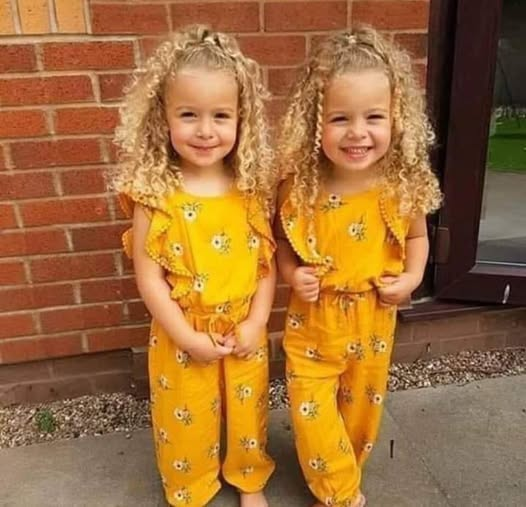
Sometimes, the simplest ideas create the most memorable photographs. A picture of two young girls standing side by side in matching yellow floral outfits demonstrates how coordinated clothing can bring a photograph together. Their similar hairstyles, cheerful expressions, and colorful outfits create a consistent look without requiring elaborate accessories or a complicated setting.
Matching outfits have long been a popular choice for family portraits, celebrations, holidays, and everyday photographs. Whether parents are dressing siblings, twins, or cousins, coordinating children’s clothing can create a charming visual effect while allowing each child to express their own personality.
But what makes matching outfits so appealing, and how can families recreate this look? A few thoughtful choices can make all the difference.
Why Matching Outfits Are So Popular
Coordinated clothing creates a visual connection between people in a photograph. When children wear similar colors, patterns, or styles, the overall picture often feels more unified.
This is particularly useful in family photography. Matching outfits can help bring several people together visually, especially when a photograph includes multiple children.
However, matching does not have to mean wearing exactly the same clothes. Two outfits in the same color family or with similar patterns can create a coordinated appearance while leaving room for individual preferences.
For parents, this approach also makes choosing clothing easier. Instead of searching for completely unrelated outfits, they can start with one color or design and build the remaining choices around it.
The Appeal of Yellow Floral Outfits
Yellow is a cheerful, noticeable color that can work particularly well in children’s clothing. Depending on its shade, yellow can create a soft, sunny, or vibrant appearance.
In the photograph, both girls wear yellow outfits decorated with small floral patterns. The repeated colors and designs create a consistent visual theme.
Floral prints are another popular option because they can add detail without requiring additional accessories. Small flowers, in particular, can create a playful look while keeping the overall pattern relatively balanced.
When selecting floral outfits for children, parents can consider the size of the print, the background color, and the clothing’s overall design.
A smaller pattern may create a subtle appearance, while larger flowers can make a stronger visual statement. Neither option is universally better; the best choice depends on the setting, personal preferences, and desired photographic style.
How to Coordinate Outfits for Siblings
Creating a matching look does not require identical clothing. A few simple styling techniques can help siblings look coordinated while maintaining their individual identities.
1. Start With One Main Color
Choose a color that will connect the outfits. Yellow, blue, pink, green, and neutral shades can all work well, depending on the occasion and background.
Once the main color has been selected, decide whether both children should wear it or whether one child should wear a complementary shade.
For example, two children might wear different styles of blue clothing, or one might wear a floral dress while the other wears a shirt with a matching color.
2. Choose Similar Patterns
Patterns can help connect outfits visually.
Floral prints, stripes, small geometric designs, and simple checks can all work for coordinated children’s clothing. Families can choose the same print for both children or combine different patterns that share similar colors.
The key is balance. Too many competing patterns may make the overall photograph feel visually busy.
3. Prioritize Comfort
Children should feel comfortable in their clothes, especially during photography sessions that may involve standing, walking, sitting, and playing.
Soft fabrics, suitable sizing, and clothing that allows natural movement can make the experience more enjoyable.
Parents should also consider the weather and setting. Lightweight outfits may be appropriate for warm conditions, while additional layers can be useful when temperatures are cooler.
Comfort matters more than achieving a perfectly identical look.
4. Let Each Child Have a Choice
Matching clothing should be enjoyable rather than a source of frustration.
Whenever possible, let children participate in selecting colors, patterns, or accessories. One child might prefer trousers, while another likes a skirt or dress. Their outfits can still coordinate through color or design.
Allowing individual choices helps children feel included and makes it easier to capture relaxed, natural photographs.
Choosing the Right Background for Children’s Photos
The background can influence how clothing appears in a photograph.
In the uploaded image, the warm brick wall provides a contrasting backdrop for the bright yellow outfits. The setting also adds texture without completely distracting from the subjects.
Families can use a variety of backgrounds for similar photographs.
A garden offers greenery and natural textures. A plain wall provides a simple setting that keeps attention on the people being photographed. A front porch or doorway can create a relaxed, everyday atmosphere.
When choosing a location, consider how the background colors interact with the clothing. A bright outfit may stand out against a neutral wall, while a softer outfit may look appealing in a garden or shaded outdoor setting.
Natural light can also help create attractive photographs. Open shade often provides softer lighting than direct midday sunlight, which may create strong shadows.
Simple Tips for More Natural Family Photographs
Matching clothes are only one part of a memorable photograph. The way people interact with the camera and each other can be just as important.
Keep the posing relaxed. Children do not always need to stand perfectly still or look directly into the camera. Natural expressions and comfortable body language can make a picture feel more personal.
Choose a familiar setting. Children may feel more comfortable in a place they recognize, such as a garden, porch, or family home.
Take several photographs. Expressions can change quickly, so capturing multiple pictures increases the chance of getting one that everyone enjoys.
Avoid overcomplicating the styling. A coordinated color scheme and comfortable outfits are often enough. Too many accessories can distract from the people in the picture.
Respect children’s privacy. If family photographs will be shared publicly, parents and guardians should consider the children’s privacy and whether identifying information appears in the image.
Are Matching Outfits Only for Twins?
No. Matching outfits can work for siblings, cousins, friends, and other family members.
Although coordinated clothing is frequently associated with twins, the style itself does not establish a biological relationship. Children who look alike or wear identical outfits are not necessarily twins.
Families can use matching clothes for birthdays, holiday portraits, weddings, family gatherings, and casual photographs.
For larger groups, a shared color palette can be more practical than identical outfits. This allows everyone to coordinate without needing to purchase the same clothing in several sizes.
Frequently Asked Questions
1. What colors work well for matching children’s outfits?
Yellow, blue, pink, green, white, and neutral shades can all work well. The best choice depends on the setting, season, and personal preferences.
2. Do siblings need to wear identical outfits for family photos?
No. Coordinating colors, patterns, or clothing styles can create a unified appearance without making every outfit identical.
3. Are floral outfits suitable for everyday wear?
Yes. Floral clothing can be suitable for everyday activities, family gatherings, and special occasions, depending on the garment, fabric, and comfort level.
4. How can parents make children’s photo sessions easier?
Choose comfortable clothing, select a familiar setting, allow breaks, and keep the experience relaxed. Children are more likely to enjoy the process when they do not feel pressured to pose perfectly.
5. How can families share children’s photographs responsibly?
Consider who can see the photograph, avoid sharing unnecessary identifying details, and follow the family’s privacy preferences. Parents and guardians should make thoughtful decisions before posting children’s pictures publicly.
Conclusion
Matching outfits can be a simple and effective way to create a coordinated look for children’s photographs. The yellow floral outfits in this picture illustrate how shared colors, similar patterns, and a straightforward setting can bring a photograph together.
Families do not need expensive clothing or elaborate photography arrangements to create meaningful pictures. Comfortable outfits, thoughtful color choices, natural expressions, and a suitable background are often enough.
Whether dressing siblings for a special occasion or planning an everyday family photograph, the goal should be to create an enjoyable experience and preserve a moment worth remembering. After all, the most meaningful photographs are not necessarily the most perfectly styled ones—they are the ones families enjoy looking back on.