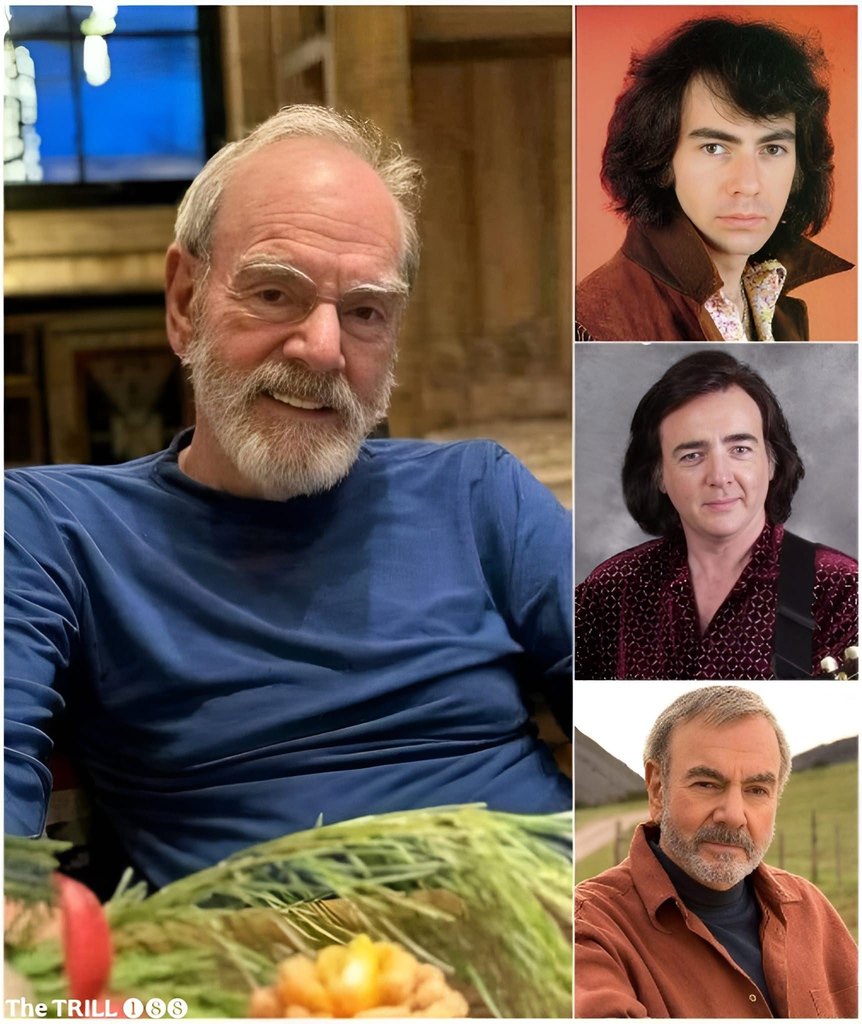
Few songwriters have created music that brings generations together quite like Neil Diamond. From heartfelt ballads to energetic sing-along anthems, his songs have become part of the soundtrack of American life. For decades, his distinctive voice, memorable melodies, and emotional performances have made him one of popular music’s most recognizable figures.
Yet Diamond’s story is about more than chart success. It is a journey from a Brooklyn childhood to international fame, shaped by years of songwriting, artistic ambition, personal challenges, and a lasting connection with audiences.
From Brooklyn to a Musical Dream
Neil Leslie Diamond was born on January 24, 1941, in Brooklyn, New York. Growing up in a working-family environment, he developed an interest in music during his youth. His early experiences in New York helped shape the determination that would eventually define his career.
Diamond’s interest in songwriting developed before he became a household name. He learned that creating a memorable song required more than a good melody. It also demanded an understanding of emotion, storytelling, rhythm, and the experiences that listeners could recognize in their own lives.
He briefly attended New York University, where he initially pursued premedical studies, but music increasingly became his priority. Rather than immediately finding success as a performer, he worked to establish himself as a songwriter.
That decision proved important. Diamond’s ability to write songs for himself and other artists became one of the foundations of his success.
The Songwriter Behind the Hits
During the 1960s, Diamond began making progress in the professional music industry. He became associated with New York’s Brill Building songwriting scene, a creative environment known for producing memorable popular songs.
His early work demonstrated an ability to write catchy melodies and lyrics that connected with everyday feelings. Romance, loneliness, hope, and the search for belonging would become recurring themes throughout his music.
One of his important early successes came when the Monkees recorded his song “I’m a Believer.” Released in 1966, the track became a major hit and introduced Diamond’s songwriting to a vast audience.
This achievement helped establish his reputation as a songwriter capable of creating music that worked beyond his own performances.
However, Diamond wanted to develop his identity as a recording artist, too. He continued releasing his own music, gradually building a catalog that would make him a star in his own right.
How Neil Diamond Became a Global Star
Diamond’s career reached new heights around the turn of the 1970s. His recordings combined accessible pop melodies with elements of rock, folk, and adult contemporary music.
Songs such as “Solitary Man,” “Cherry, Cherry,” and “Cracklin’ Rosie” helped establish his distinctive musical identity. His voice could sound reflective and intimate in one song, then powerful and celebratory in another.
His 1969 song “Sweet Caroline” became one of his most enduring recordings. Its memorable chorus and communal feeling helped the song develop a life far beyond its original release.
Over time, “Sweet Caroline” became closely associated with sporting events, public celebrations, and audiences singing together. Its continuing popularity demonstrates how a song can take on new meanings as different generations adopt it.
Other well-known recordings, including “Song Sung Blue,” “America,” “Love on the Rocks,” and “Hello Again,” further expanded his musical legacy.
Rather than depending on a single hit, Diamond developed a broad collection of songs that appealed to different audiences and moods.
A Performer With a Distinctive Style
Diamond’s success was not based on songwriting alone. His stage presence played a major role in building his reputation.
His performances often combined emotional delivery with the energy of a rock concert. He could address an audience through an intimate ballad and then transform the atmosphere with an upbeat, familiar chorus.
That ability helped him build a strong connection with concertgoers.
Unlike performers whose identities depend primarily on elaborate choreography or changing musical trends, Diamond’s appeal often centered on his voice, his songs, and his interaction with the audience.
His music also crossed generational and geographic boundaries. Listeners who discovered his recordings decades ago could share them with children and grandchildren, allowing familiar songs to remain part of family celebrations and cultural traditions.
Awards and a Lasting Musical Legacy
Diamond’s commercial success has been matched by significant recognition within the music industry.
The Songwriters Hall of Fame identifies him as a major figure in American songwriting. He was inducted into the Songwriters Hall of Fame in 1984 and the Rock & Roll Hall of Fame in 2011. He also received the Grammy Lifetime Achievement Award in 2018.
These honors reflect the breadth of his contributions, from writing songs for other performers to building a successful recording and touring career of his own.
His influence can also be heard in the continued popularity of songs that have been covered, reinterpreted, and introduced to new audiences.
The Broadway musical A Beautiful Noise, which opened in 2022, brought Diamond’s life and music to the stage. The production explored his personal journey alongside the songs that helped define his career.
For longtime listeners, the musical offered another way to revisit familiar recordings. For newer audiences, it provided an introduction to the experiences behind the music.
Life After Touring: A Personal Challenge
In January 2018, Diamond announced that he would retire from touring after being diagnosed with Parkinson’s disease.
The announcement marked a significant change for an artist whose career had been closely associated with live performances. It also brought attention to the personal challenges that can accompany a major health diagnosis.
Parkinson’s disease is a progressive neurological condition that can affect movement and other functions. Its effects vary from person to person, so an individual’s experience cannot be understood from the diagnosis alone.
In a 2023 interview with CBS Sunday Morning, Diamond spoke openly about the emotional process of coming to terms with his condition. He described the difficulty of accepting the diagnosis and adjusting to a different way of life.
His comments offered a more personal perspective on a career usually discussed through awards, album sales, and memorable performances.
Importantly, retiring from touring did not erase his musical achievements. His recordings continued reaching audiences, and his songs remained familiar parts of popular culture.
His story illustrates that an artist’s relationship with music can extend beyond the ability to perform onstage regularly.
Why Neil Diamond’s Music Still Matters
What makes Diamond’s catalog endure?
Part of the answer lies in the emotional accessibility of his songs. His lyrics often explore feelings that remain familiar across generations: love, heartbreak, optimism, uncertainty, and the desire to feel connected to other people.
His melodies are also easy to recognize, and many invite listeners to sing along. That quality has helped certain recordings become shared cultural experiences rather than simply songs on a playlist.
Another reason for his longevity is the breadth of his career. Diamond was not just a singer who interpreted other people’s material. He built his reputation as a songwriter who could create successful music for himself and other performers.
His career also demonstrates that lasting success does not always follow a straight path. His rise involved years of work before widespread recognition, followed by decades of creative achievements and personal changes.
Today, his influence can be appreciated through recordings, live-performance footage, musical theater, and the continued use of his songs at public events.
Frequently Asked Questions
1. What is Neil Diamond best known for?
He is best known for his career as a singer-songwriter and for popular songs including “Sweet Caroline,” “Cracklin’ Rosie,” “America,” and “Song Sung Blue.”
2. Did Neil Diamond write songs for other artists?
Yes. One notable example is “I’m a Believer,” which he wrote and the Monkees recorded in 1966.
3. Why did Neil Diamond retire from touring?
In 2018, Diamond announced his retirement from touring following his Parkinson’s disease diagnosis. The decision changed his performing schedule but did not diminish the lasting popularity of his music.
4. What is A Beautiful Noise?
A Beautiful Noise is a Broadway musical based on Diamond’s life and music. It tells elements of his story through performances of songs from his catalog.
5. Is Neil Diamond’s music still popular?
His best-known recordings continue to reach listeners through radio, streaming, live events, and performances by other artists. “Sweet Caroline,” in particular, remains widely recognizable.
Conclusion: More Than a Collection of Hit Songs
Neil Diamond’s journey is a reminder that a lasting musical legacy is built through creativity, persistence, and an ability to connect with people.
From his early work as a songwriter to the international success of his own recordings, he created music that became familiar to millions. His career also included moments of change that placed his achievements in a more personal context.
The photographs of an artist across different stages of life can prompt us to reflect on how much can happen between youth and old age. In Diamond’s case, that journey includes decades of songwriting, unforgettable melodies, major honors, and the challenge of adapting to life after touring.
His story continues to resonate because the music remains. Long after the original recordings were released, audiences are still singing along, discovering the songs for the first time, and finding their own memories in the melodies.