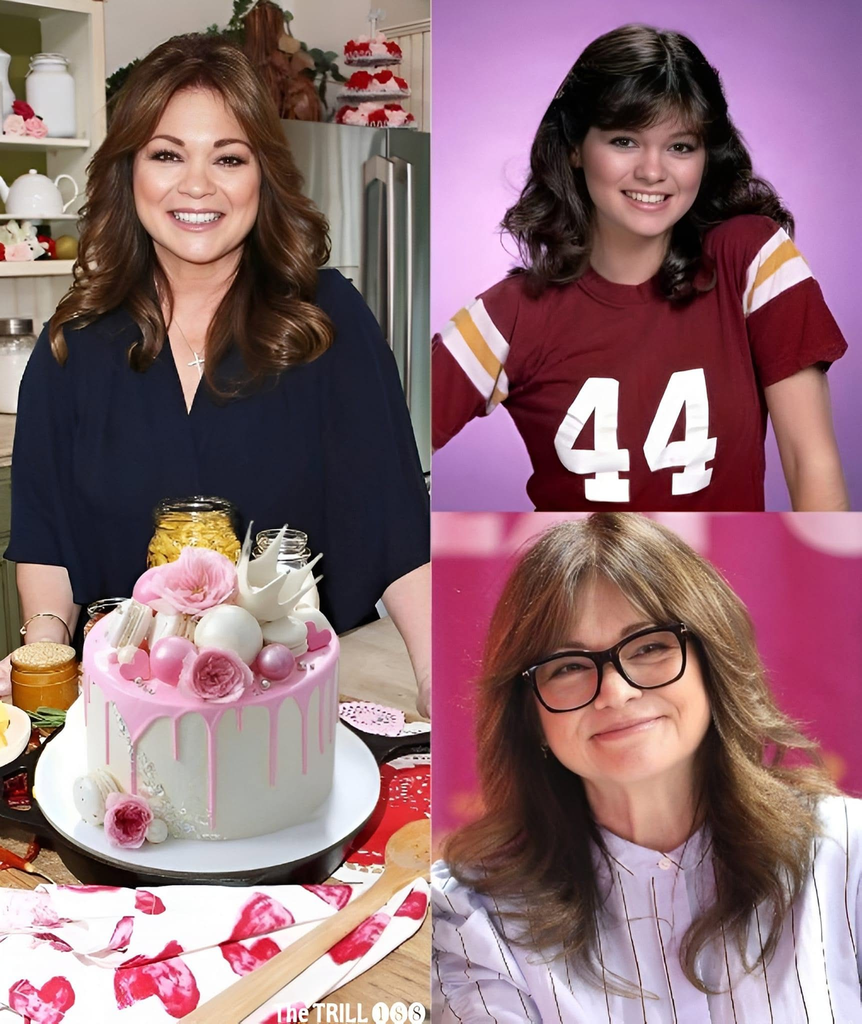
A photograph can capture a moment in seconds, yet the memories associated with it can last for decades. A childhood portrait, a familiar smile, or a birthday cake decorated for a special occasion can remind us of the experiences that make life meaningful.
A collage featuring portraits of people at different ages alongside a beautifully decorated birthday cake offers an opportunity to reflect on the passage of time. Although the photographs alone do not establish the identities or relationships of the people pictured, they illustrate something familiar to many of us: every stage of life brings its own experiences, changes, and memories.
Why do these images attract our attention? And why do birthdays and photographs often become such important parts of our personal histories?
Why Photographs Become More Meaningful Over Time
When a photograph is first taken, it may simply be a record of an ordinary day or a special occasion. Years later, however, that same image can take on a different meaning.
A childhood portrait might remind someone of school, family traditions, or a place they have not visited in years. A photograph from adulthood might recall an important achievement, a friendship, or a memorable celebration.
Photographs also preserve details that people might otherwise forget. Hairstyles, clothing, decorations, and familiar surroundings can help bring an earlier period back to mind.
This is one reason family albums and collections of old photographs remain valuable. They offer a visual record of changing circumstances and provide opportunities to share personal stories with younger generations.
Of course, photographs do not preserve every detail of an experience. They show a particular moment from a particular perspective. The stories people tell about those moments help give the images their deeper meaning.
The Journey From Childhood to Adulthood
Growing older involves much more than changes in appearance. Over time, people encounter new responsibilities, develop interests, build relationships, and experience events that influence how they see the world.
Childhood photographs can represent a period when much of life was new. School activities, favorite hobbies, family outings, and friendships may become important parts of a person’s memories.
Adulthood brings different experiences. People may pursue education, explore careers, develop new skills, or create traditions of their own. Their priorities and perspectives can also change as they encounter new situations.
Looking at photographs from different periods can encourage reflection on this journey.
What interests have remained the same? Which ambitions have changed? What experiences helped shape the person someone has become?
There is no single answer to these questions because every life follows a different path. That is precisely what makes personal photographs interesting: they can open the door to stories that are unique to each individual.
Why Birthday Celebrations Hold a Special Place in Our Lives
Birthdays provide a natural opportunity to mark the passage of time. For some people, they are large celebrations filled with family members, friends, decorations, and elaborate cakes. Others prefer a quiet meal or a simple gathering with a few people they care about.
Regardless of how a birthday is celebrated, the occasion can offer a moment to appreciate the experiences of the previous year and look forward to what comes next.
Birthday traditions also vary between families and cultures. Some families celebrate with homemade meals, while others organize parties or exchange thoughtful gifts. Cakes, candles, cards, and photographs are common features of many celebrations, although none is essential to making the day meaningful.
The most memorable moments are not always the most expensive or elaborate.
A handwritten message, a familiar family recipe, or a photograph taken during an ordinary gathering may become a treasured reminder of time spent together.
The Meaning Behind a Birthday Cake
The cake in the image stands out because of its pink-and-white decoration, floral details, and carefully arranged ornaments.
Decorated cakes can serve as both food and a visual centerpiece. Their colors, shapes, and designs often reflect the theme of a celebration or the preferences of the person being honored.
Some people choose simple homemade cakes, while others enjoy elaborate designs created by professional bakers. Neither approach is inherently more meaningful than the other.
What matters most is how the celebration reflects the people involved.
A cake can also become part of a family’s photographic history. Looking back at pictures of birthday cakes from previous years may remind people of different homes, changing traditions, and the people who shared those occasions.
How Old Photographs Help Preserve Family Stories
Photographs can be especially valuable when they are accompanied by names, dates, locations, and personal memories.
Without this information, an image may become difficult to understand as time passes. A picture of a gathering might remain familiar to someone who was present, but younger relatives may not recognize the people or know why the occasion mattered.
Adding simple notes can help preserve these details.
For example, a family album might include the year a photograph was taken, the location of the celebration, and a short explanation of what made the day memorable.
Digital photographs can benefit from the same care. Organizing images into dated folders and creating backups can make them easier to find and protect against accidental loss.
It is also worth asking relatives to share their memories while they can. Their stories may provide context that cannot be recovered from the image itself.
In this way, photographs become more than collections of pictures. They become starting points for conversations between generations.
Simple Ways to Make New Memories Last
Preserving meaningful moments does not require professional equipment or complicated planning.
Here are five practical ways to create a personal collection of memories:
1. Take candid photographs. Posed portraits have their place, but spontaneous pictures can capture the atmosphere of a gathering and the interactions between people.
2. Keep a record of important dates. Adding a date and location helps make photographs easier to understand years later.
3. Write down the stories. A short note explaining why an occasion mattered can add valuable context to an image.
4. Create a regular photo collection. A yearly album or digital folder can help organize birthdays, holidays, achievements, and everyday experiences.
5. Share photographs thoughtfully. Before posting pictures of other people online, consider their privacy preferences and whether they are comfortable with the images being shared.
These small habits can help preserve memories without turning every special occasion into a photography project.
Frequently Asked Questions
Why do old photographs bring back memories?
Photographs can act as reminders of people, places, and experiences. They may prompt someone to recall details associated with a particular moment, although the memories and emotions they evoke differ from person to person.
Why are birthday photographs important?
Birthday photographs can document personal milestones, family traditions, and changing circumstances over time. They also provide a way to revisit celebrations and share memories with others.
How can I preserve old family photographs?
Store printed photographs in suitable archival materials away from excessive heat, moisture, and direct sunlight. For digital pictures, keep organized copies and maintain backups in more than one secure location.
What is the best way to organize digital photographs?
Organize images into folders by year, event, or family member. Use meaningful filenames where practical, add dates and descriptions, and back up important collections regularly.
Do birthday celebrations need to be elaborate to be memorable?
No. A meaningful celebration can be as simple as sharing a meal, spending time with loved ones, or enjoying a favorite tradition. The experience and relationships often matter more than the size of the event.
Conclusion: The Moments That Stay With Us
A portrait preserves an expression. A birthday photograph captures a celebration. A collection of images can reveal how people, places, and traditions change over time.
The collage of portraits and a decorated cake serves as a reminder of these familiar experiences, even though the identities and connections represented in the individual photographs cannot be confirmed from the image alone.
Ultimately, the value of a photograph is not determined by its age, setting, or appearance. Its significance comes from the memories and stories associated with it.
The next time you look through an old photo album, take a moment to consider the details. You may discover a forgotten celebration, remember a meaningful conversation, or find yourself appreciating how much life has changed.
Sometimes, the smallest moments become the memories we treasure most.