The arrival of a newborn brings a remarkable change to a family’s life. For parents, those first hours can be filled with happiness, excitement, questions, and a completely new sense of responsibility. Holding a tiny baby, learning how to care for a newborn, and adjusting to life after childbirth are experiences that many families remember for years.
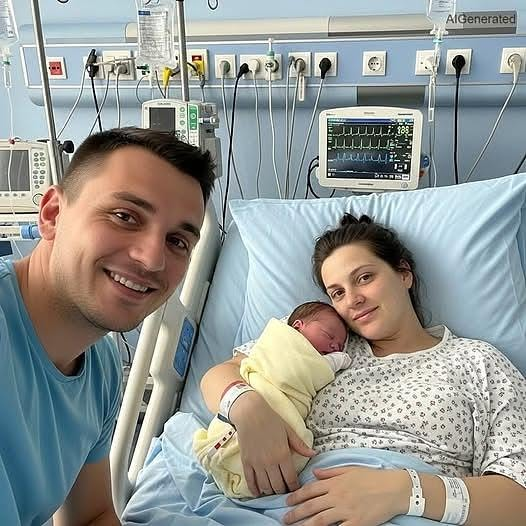
The uploaded image illustrates a hospital-room moment involving a mother, a father, and a newborn baby. The medical equipment in the background highlights an important part of the experience: childbirth is not only an emotional milestone but also a time when professional medical care and support matter.
Although the image is marked as AI-generated and does not document a verified real family, it provides a starting point for exploring what happens after childbirth and what new parents should know.
1. The First Moments After a Baby Is Born
The first hours after delivery are an important period for both mother and baby.
Medical professionals assess the newborn’s breathing, temperature, general condition, and other essential signs. They also monitor the mother’s recovery and look for any complications following delivery.
According to the World Health Organization (WHO), essential newborn care includes keeping babies warm, assessing their breathing, preventing infection, supporting feeding, and recognizing potential health problems.
For medically stable mothers and newborns, early skin-to-skin contact is encouraged. This involves placing the baby directly against the mother’s chest, allowing them to experience warmth and physical closeness.
This contact can help support early breastfeeding and the development of the parent-child bond.
The first hours are not about making everything perfect. They are about giving the mother and baby the attention, care, and support they need.
2. Why Skin-to-Skin Contact Matters
One of the most important practices following an uncomplicated birth is skin-to-skin contact.
This means placing the newborn against a parent’s bare chest while ensuring the baby is positioned safely and appropriately.
The WHO recommends early skin-to-skin contact for newborns who are clinically stable. It can help maintain body temperature, support breastfeeding, and encourage early interaction between parent and child.
It is also important for parents to understand that every birth is different. Some babies or mothers may need medical attention before skin-to-skin contact can take place.
When immediate contact is not possible, families can ask their healthcare team when it may be safe to begin.
3. Learning How to Feed a Newborn
Feeding is one of the first major responsibilities new parents encounter.
Some mothers choose breastfeeding, while others use infant formula or a combination of feeding methods depending on their circumstances and medical advice.
The WHO recommends supporting mothers who wish to breastfeed and helping them begin as soon as possible after birth when medically appropriate.
The first breast milk, known as colostrum, contains protective components that support a newborn’s early development.
However, breastfeeding can take practice. Some mothers experience difficulties with positioning, attachment, discomfort, or concerns about milk supply.
Professional support from a midwife, lactation consultant, or healthcare provider can be valuable.
Parents should remember that feeding decisions should be based on the baby’s needs, the mother’s circumstances, and appropriate medical guidance.
4. The Important Role of Fathers and Partners
The arrival of a baby changes the responsibilities of both parents.
While mothers may need time to recover physically after childbirth, partners can make a meaningful difference by providing practical and emotional support.
There are many simple ways to help:
- Assist with changing the baby’s diapers.
- Help prepare meals and organize household responsibilities.
- Bring the mother water, food, and anything she needs.
- Help arrange medical appointments.
- Support feeding routines.
- Allow the mother opportunities to rest.
- Listen patiently when she feels overwhelmed.
Partners can also participate in appropriate skin-to-skin contact and learn how to hold, soothe, and care for the newborn.
Parenthood is a shared responsibility. A supportive environment can make the transition easier for everyone.
5. Understanding a Mother’s Recovery After Childbirth
An important part of welcoming a newborn is remembering that the mother also needs care.
Childbirth places physical demands on the body, and recovery differs from person to person.
Depending on the type of delivery and individual circumstances, a mother may experience bleeding, soreness, fatigue, changes in mood, and discomfort while recovering.
Rest, appropriate nutrition, hydration, and professional medical guidance are important during this period.
The American College of Obstetricians and Gynecologists (ACOG) recommends treating postpartum care as an ongoing process rather than relying on only one appointment.
Its guidance recommends initial contact with an obstetric care provider within the first three weeks after birth, followed by ongoing care and a comprehensive postpartum visit no later than 12 weeks.
Families should not assume that recovery is complete simply because the mother has returned home.
Important Postpartum Warning Signs
The Centers for Disease Control and Prevention (CDC) identifies several symptoms that require immediate medical attention during pregnancy and throughout the year after delivery.
These include:
- A severe or persistent headache.
- Blurred vision or other sudden vision changes.
- Fever of 100.4°F (38°C) or higher.
- Chest pain or difficulty breathing.
- Severe abdominal pain.
- Heavy vaginal bleeding.
- Thoughts of harming oneself or the baby.
These symptoms should never be ignored. Seek immediate medical attention if they occur.
6. Safe Sleeping for a Newborn
Sleep is another important topic for families bringing a baby home.
Newborns sleep frequently, but parents need to understand safe sleeping practices.
The American Academy of Pediatrics recommends placing babies on their backs for every sleep.
Other important recommendations include:
- Use a separate sleep space, such as a safety-approved crib or bassinet.
- Choose a firm, flat sleeping surface.
- Use a fitted sheet.
- Keep pillows, loose blankets, stuffed toys, and other soft objects out of the baby’s sleeping area.
- Avoid allowing babies to sleep on couches or armchairs.
Parents should also follow their healthcare provider’s guidance regarding newborn sleep and feeding.
Creating a safe sleeping environment is one of the most useful steps families can take when preparing for their baby’s arrival.
7. Preparing for the First Days at Home
Leaving the hospital and returning home with a newborn can feel exciting and overwhelming.
A little preparation can make this transition easier.
Before the baby arrives, families can organize essential supplies, including diapers, appropriate clothing, feeding equipment, and a safe sleeping space.
It is also helpful to plan transportation, medical follow-up appointments, and household responsibilities.
During the first days at home, parents should pay attention to feeding, diaper output, temperature, and the baby’s general behavior.
If the baby has difficulty feeding, appears unusually unwell, develops a fever, or shows other concerning symptoms, contact a healthcare professional promptly.
New parents should not feel pressured to manage everything without help. Family members, healthcare professionals, and community support services can all play an important role.
8. Building a Strong Family Bond
The relationship between parents and a newborn develops through everyday interactions.
Holding the baby safely, talking gently, responding to cries, and spending time together all contribute to nurturing care.
Parents do not need expensive equipment or elaborate routines to create meaningful connections.
Simple activities such as talking to the baby, gently comforting them, and responding to their needs help build familiarity and trust.
It is also important to recognize that parents may experience different emotions after childbirth. Happiness can exist alongside tiredness, worry, and uncertainty.
If sadness, anxiety, or emotional distress becomes overwhelming or interferes with daily life, seeking professional support is important.
Frequently Asked Questions
1. What happens during the first hours after birth?
Healthcare professionals assess the baby’s breathing, temperature, and general health while monitoring the mother’s recovery. Skin-to-skin contact and feeding support are encouraged when medically appropriate.
2. How soon can parents hold their newborn?
When both mother and baby are medically stable, early skin-to-skin contact is generally encouraged. If medical treatment is needed, the healthcare team can advise when holding the baby is safe.
3. How can fathers support mothers after childbirth?
Partners can help with baby care, household tasks, meals, appointments, and emotional support. They can also give mothers opportunities to rest and recover.
4. What is the safest sleeping position for a newborn?
The American Academy of Pediatrics recommends placing babies on their backs for every sleep, on a firm, flat surface in their own sleep space.
5. When should a mother seek medical help after delivery?
A mother should seek immediate medical attention for warning signs such as severe headaches, vision changes, fever, chest pain, breathing difficulties, severe abdominal pain, or heavy bleeding.
Conclusion: A Beautiful Beginning Requires Care and Support
The arrival of a newborn marks the beginning of an entirely new chapter for a family. The first hospital moments, early feeding experiences, and first days at home can become meaningful memories.
But behind the excitement is an equally important responsibility: ensuring that both the baby and mother receive appropriate care.
From safe sleeping and feeding support to postpartum recovery and the involvement of partners, small decisions can make a meaningful difference.
Every family has a different experience, and there is no single perfect way to begin parenthood. What matters most is providing love, patience, professional care, and a safe environment for the newest member of the family.
A new baby brings a new beginning, and the strongest beginnings are built on care, understanding, and support.