A beautiful family moment does not always require an expensive restaurant, a luxurious dining room, or a special celebration. Sometimes, happiness can be found in a simple meal shared with the people who matter most.
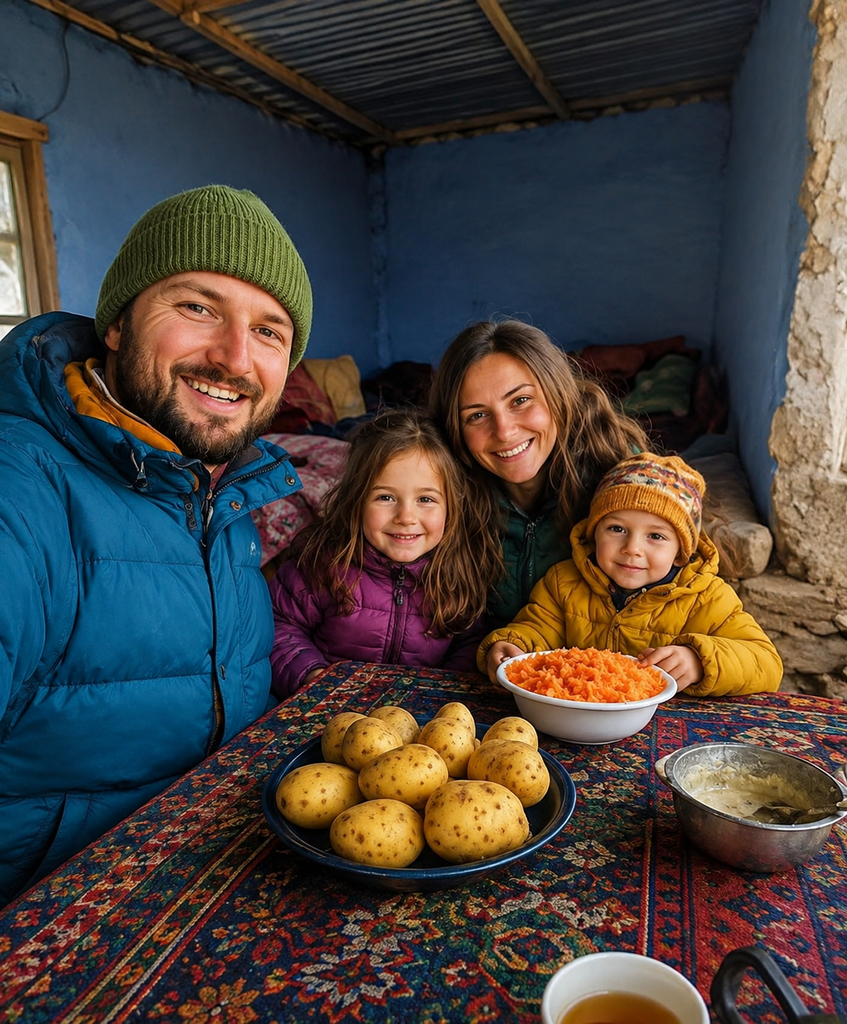
A heartwarming picture of two adults and two young children sitting together around a table offers a lovely reminder of this idea. The family is smiling, while several bowls and plates of food sit in front of them. Potatoes, an orange-colored shredded food, and another pale-colored dish are visible on the patterned table covering.
The setting is simple, but the atmosphere appears warm and welcoming. It invites us to think about something many families experience every day: the importance of sitting together, sharing food, and enjoying one another’s company.
The Beauty of a Simple Family Meal
Food is an essential part of everyday life, but family mealtimes can mean much more than simply satisfying hunger.
For many households, the dining table becomes a place where family members reconnect after busy days. Parents and children have an opportunity to talk, share experiences, and enjoy time together.
A meal does not have to include expensive ingredients or complicated recipes to feel special.
Simple ingredients such as potatoes, vegetables, grains, and other everyday foods can become the foundation of satisfying homemade dishes.
What makes the experience meaningful is often the time people spend preparing and enjoying the food together.
Why Eating Together Matters for Children
Family meals can offer children opportunities to develop important social and communication skills.
When children sit with adults during mealtimes, they can observe everyday conversations, learn table manners, and become more familiar with different foods.
These experiences may also help establish positive eating routines.
For example, children can learn to:
- Wash their hands before eating.
- Sit comfortably at the table.
- Try different foods without pressure.
- Express their preferences politely.
- Help with simple food preparation when appropriate.
- Appreciate the effort involved in preparing a meal.
Family mealtimes also provide an opportunity for parents to listen to their children and learn about their experiences.
Even a short conversation about school, hobbies, or the day’s activities can help strengthen family communication.
Simple Ingredients Can Make Delicious Meals
The picture shows several basic food ingredients, including a plate of whole potatoes and bowls containing other foods.
Potatoes are particularly versatile because they can be prepared in many different ways.
They can be boiled, baked, roasted, mashed, or added to soups and stews. Their mild flavor also makes them suitable for combining with vegetables, herbs, and different seasonings.
An orange-colored grated ingredient, such as carrots, is another possible component of a simple meal, although the exact contents of the bowl cannot be confirmed from the picture.
Families can use everyday ingredients to prepare meals that suit their preferences, traditions, and available cooking equipment.
Easy Ways to Prepare Potatoes
Here are three simple ideas for using potatoes at home:
1. Boiled potatoes
Wash the potatoes thoroughly and boil them in water until tender. They can be served with vegetables, herbs, or another dish.
2. Homemade mashed potatoes
Boil peeled potatoes until soft, then mash them with a little milk or butter if desired. Season according to taste.
3. Potato and vegetable soup
Combine chopped potatoes with vegetables, water or stock, and suitable seasonings. Simmer until everything is tender.
These dishes demonstrate how a familiar ingredient can be used in different ways without requiring complicated preparation.
Creating Meaningful Family Traditions
Family traditions do not need to involve holidays, expensive gifts, or elaborate celebrations.
Everyday routines can become meaningful traditions when families enjoy them consistently.
For example, some families make an effort to have breakfast together on weekends. Others prepare dinner as a group or choose one evening each week to share a special homemade dish.
These routines give family members something familiar to look forward to.
Children may also enjoy participating in age-appropriate activities such as washing vegetables, arranging plates, folding napkins, or helping choose a meal.
Such activities can introduce basic life skills while making food preparation more enjoyable.
The important thing is to keep activities safe and suitable for each child’s age.
A Comfortable Home Does Not Need to Be Perfect
The setting in the photograph is modest and simple in appearance. Blue walls, a basic roof, rustic stonework, and colorful textiles give the room a distinctive character.
However, the picture does not tell us anything definite about the family’s financial circumstances or where they live.
It does remind us that a welcoming home is not defined only by furniture, decorations, or expensive possessions.
Comfort can also come from familiar surroundings, meaningful relationships, and the everyday routines that bring people together.
Families have different living arrangements, resources, and traditions. What feels comfortable and special to one household may look different in another.
There is no single correct way to create a happy family environment.
How Parents Can Make Mealtimes More Enjoyable
Busy schedules can sometimes make it difficult for families to eat together regularly. Work, school, household responsibilities, and other commitments can interrupt shared routines.
Fortunately, creating more enjoyable family mealtimes does not require a complicated plan.
Here are a few practical suggestions:
Put away distractions: Turning off televisions and setting aside phones can help family members focus on one another.
Invite children to participate: Give children small, safe responsibilities during food preparation.
Keep conversations positive: Ask about everyone’s day and encourage children to share their thoughts.
Offer balanced food choices: Include a variety of vegetables, fruits, grains, and appropriate protein sources.
Avoid unnecessary pressure: Children may need time to become comfortable with unfamiliar foods. Encourage them without forcing them to eat.
Make time when possible: Even a few shared meals each week can provide opportunities for connection.
The goal is not to create a perfect dining experience. It is to make room for conversation, cooperation, and enjoyment.
The Little Moments That Become Lasting Memories
People often remember important celebrations, holidays, and major family events. However, ordinary experiences can also become meaningful memories.
A shared breakfast, a favorite homemade recipe, or a conversation around the table may seem unremarkable at the time.
Years later, those familiar moments can become part of the stories family members remember and share.
The smiling family in the picture provides a visual reminder of how everyday experiences can bring people together.
Although we do not know the personal story behind the photograph, its simple arrangement highlights something many people can appreciate: the value of spending time with loved ones.
Frequently Asked Questions
1. Why are family meals important?
Family meals create opportunities for communication, connection, and shared routines. They can also help children develop social skills and become familiar with different foods.
2. What are some affordable foods families can prepare?
Potatoes, rice, beans, lentils, seasonal vegetables, and eggs can be used in many affordable homemade meals. The best choices depend on local availability and individual dietary needs.
3. How can parents encourage children to eat healthy food?
Parents can introduce a variety of foods, involve children in age-appropriate preparation activities, and offer healthy choices without using pressure or punishment.
4. Do families need to eat together every day?
Not necessarily. Different households have different schedules. Sharing meals whenever practical can still provide valuable opportunities for connection.
5. How can families make ordinary meals more special?
They can prepare food together, reduce distractions, talk about their day, and create simple traditions such as a regular weekend breakfast.
Conclusion
The beauty of family life is often found in the smallest experiences.
A simple meal, a shared smile, and a little time spent together can create moments worth remembering. The photograph of this family sitting around a table reminds us that meaningful connections do not depend on expensive surroundings or elaborate celebrations.
Whether a household enjoys potatoes, vegetables, homemade soup, or another favorite dish, the opportunity to sit together and share the day can be valuable.
In the end, it is not always what is served on the table that matters most. Sometimes, it is the people sitting around it.