A public space should be a place where people can spend time outdoors, meet friends, enjoy nature, and participate in everyday community life. Yet these simple activities can become difficult when sidewalks are uneven, entrances have steps, or pathways are too narrow for a wheelchair to pass comfortably.
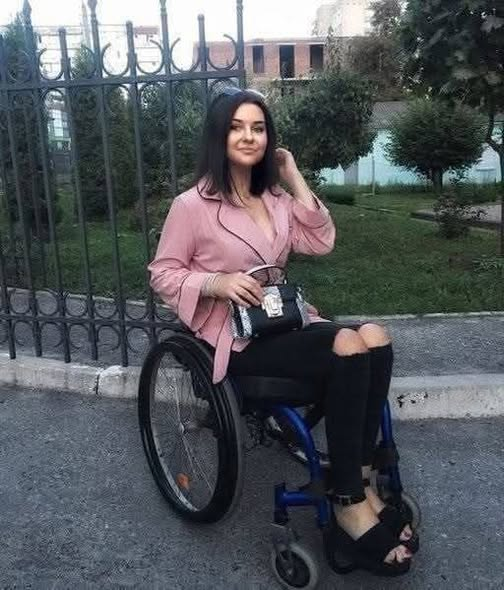
A photograph of a woman sitting in a wheelchair beside a garden illustrates an everyday scene that invites a broader question: are our public spaces designed to be accessible to everyone?
The image does not reveal the woman’s personal story or where the photograph was taken. However, it provides a useful starting point for understanding wheelchair accessibility, inclusive design, and the practical improvements that can make outdoor environments more welcoming.
Why Wheelchair Accessibility Matters
Accessibility is about more than providing a ramp at a building entrance. It means creating environments in which people with different mobility needs can move around, access services, and participate in community life with greater independence.
The World Health Organization reports that approximately 1.3 billion people worldwide experience significant disability. Its research also identifies inaccessible transportation, discrimination, and environmental barriers as factors that can contribute to unequal opportunities. Source: WHO disability fact sheet.
For wheelchair users, an ordinary journey may involve several challenges. A missing curb ramp, a blocked sidewalk, or an entrance with steps can interrupt an otherwise straightforward route.
These obstacles are not necessarily related to a person’s ability or determination. Often, they reflect how a place has been designed, maintained, or managed.
Accessible design helps address these barriers so that more people can use public spaces on a more equal basis.
1. Smooth and Continuous Pathways
One of the most important features of a wheelchair-friendly outdoor area is a continuous, usable route.
Paths should have a firm, stable surface that supports safe movement. Large cracks, loose paving stones, unexpected level changes, and poorly maintained surfaces can make travel uncomfortable or difficult.
Pathways should also be wide enough for their intended use, with sufficient room to navigate turns and pass other pedestrians where appropriate.
A route that suddenly narrows because of a tree planter, outdoor furniture, or a parked bicycle can become an unexpected obstacle.
Good maintenance is just as important as initial design. Regular inspections and timely repairs help ensure that an accessible route remains usable over time.
2. Accessible Entrances and Curb Ramps
A building or garden may have an attractive entrance, but appearance alone does not determine whether it is accessible.
Steps can prevent some wheelchair users from entering independently. Properly designed ramps, level entrances, and suitable lifts where necessary can provide alternative routes.
Curb ramps are particularly important where sidewalks meet roads, parking areas, and pedestrian crossings. Without an appropriate transition, a short change in elevation can interrupt an otherwise accessible journey.
In the United States, the Americans with Disabilities Act (ADA) establishes requirements concerning accessible routes and mobility devices in covered public facilities and businesses. The precise requirements depend on the type of facility and situation. Source: ADA.gov accessibility standards.
Accessible entrances should be clearly identifiable, convenient to reach, and connected to the routes people actually use.
3. Outdoor Spaces Should Be Designed for Everyone
Parks, gardens, public squares, and recreational areas contribute to community life. People visit them to relax, exercise, spend time with family, or simply enjoy the outdoors.
An inclusive outdoor environment considers the complete experience, not just the entrance.
For example, accessible pathways can connect seating areas, garden viewpoints, recreational facilities, and other important destinations. Benches with space beside them can make it easier for wheelchair users and companions to sit together.
Shade, suitable resting areas, clear signs, and well-maintained surfaces can also improve comfort for a wide range of visitors.
The key is to consider how people will use the space from arrival to departure. An accessible entrance offers limited benefit if the rest of the garden cannot be reached.
4. Safe Crossings and Practical Navigation
Getting around a public area often means moving between sidewalks, streets, entrances, and shared pedestrian spaces.
Safe pedestrian crossings, appropriately designed curb transitions, clear routes, and adequate visibility can make these journeys more manageable.
Street furniture, signs, bins, and advertising boards should not obstruct pedestrian pathways. Maintenance teams should also address temporary hazards, including construction materials and debris.
Navigation matters, too. Clear signs help visitors understand where routes lead and how to find entrances or facilities.
Accessibility should be considered as a connected system. A well-designed park entrance cannot fully solve the problem if the sidewalk leading to it is blocked or the nearest crossing is difficult to use.
5. Why Inclusive Design Benefits More People
Accessibility is sometimes discussed as though it benefits only one group. In reality, many thoughtful design features can improve everyday experiences for a much wider population.
Parents pushing strollers, older adults, travelers carrying luggage, people recovering from injuries, and delivery workers may all benefit from smooth pathways and step-free entrances.
This principle is closely related to universal design: creating environments and products that can be used by as many people as reasonably possible without requiring special adaptations in every situation.
The United Nations Convention on the Rights of Persons with Disabilities addresses accessibility in Article 9, including access to buildings, roads, transportation, and other facilities open to the public. Source: United Nations accessibility guidance.
Inclusive design is therefore not simply an additional feature. It is an important consideration when planning environments that serve diverse communities.
6. Respect, Independence, and Everyday Inclusion
Physical accessibility is only one part of an inclusive community. Attitudes and everyday interactions also matter.
Wheelchair users have different preferences, abilities, and support needs. It is important not to assume that everyone needs assistance or wants to be treated differently.
When offering help, asking first is a respectful approach. People should be able to make their own decisions about whether assistance is useful.
Photography and social media also play a role in how disability is represented. A single photograph cannot tell us a person’s medical history, personal experiences, or feelings. It is better to discuss what is visible and avoid inventing a personal narrative.
A wheelchair is a mobility aid; it does not define someone’s entire identity. People who use wheelchairs have individual interests, relationships, careers, preferences, and goals, just like anyone else.
Respectful representation recognizes the person first and avoids presenting ordinary participation in public life as something extraordinary merely because a wheelchair is present.
7. Practical Steps Toward More Accessible Communities
Improving accessibility does not always begin with a complete redesign. Communities can start by identifying barriers and prioritizing meaningful improvements.
Local authorities and property managers can inspect pathways, repair damaged paving, maintain curb ramps, remove obstructions, and assess whether accessible routes connect important destinations.
Businesses can review entrances, circulation areas, and customer facilities. Event organizers can consider accessible arrival routes, seating arrangements, and clear information for visitors.
Community members can help by reporting blocked sidewalks and damaged curb ramps through appropriate local channels.
Most importantly, people with disabilities should be involved in planning and evaluating these improvements. Their firsthand experience can reveal practical problems that might otherwise be overlooked.
Accessibility standards provide an important foundation, but real-world feedback helps determine whether a route works as intended.
Frequently Asked Questions
1. What makes a public space wheelchair-friendly?
A wheelchair-friendly space generally includes usable pathways, suitable entrances, curb ramps where needed, accessible facilities, clear navigation, and routes connecting important destinations.
2. Why are curb ramps important?
Curb ramps help connect sidewalks with streets and crossings by reducing abrupt level changes. They are an important part of an accessible pedestrian route.
3. Can older parks be made more accessible?
Often, yes. Improvements may include repairing pathways, adding suitable ramps, improving signs, removing obstructions, and providing accessible connections between key areas. The appropriate changes depend on the site and applicable requirements.
4. How can people help improve accessibility locally?
People can report barriers, support inclusive planning, keep pathways clear, and encourage local organizations to consult wheelchair users when designing or renovating public spaces.
5. Does the photograph tell us why the woman uses a wheelchair?
No. The photograph shows a woman seated in a wheelchair, but it does not establish why she uses it or provide reliable information about her personal circumstances.
Conclusion: Accessibility Makes Communities More Welcoming
A public space should be judged not only by how attractive it looks, but also by how well it serves the people who use it.
Smooth pathways, accessible entrances, safe crossings, thoughtful seating, and respectful attitudes can help make everyday environments more inclusive.
The photograph offers a reminder to look beyond appearances and consider the design choices that shape people’s experiences. By listening to wheelchair users, identifying barriers, and making practical improvements, communities can move toward public spaces that welcome more people.
The goal is simple: everyone deserves a fair opportunity to enjoy public spaces, participate in community life, and move through their surroundings with dignity.